
Greater Charleston Coverage
Appalachian wood-burning river-valley homes — severe creosote and fire risk.
Crew that lives in Greater Charleston.
Our Greater Charleston crew lives in the metro they serve. They know which 1970s neighborhoods have crumbling crowns and which new builds skipped the cap. They know the West Virginia freeze-thaw cycle, the local masonry conventions, and the building departments in every county we cover here.
Across Greater Charleston, creosote removal + relining make up the bulk of what we do — every job photographed, every quote written, every code reference local. Booked by a real human in under 2 minutes, 7 AM to 12 AM daily.
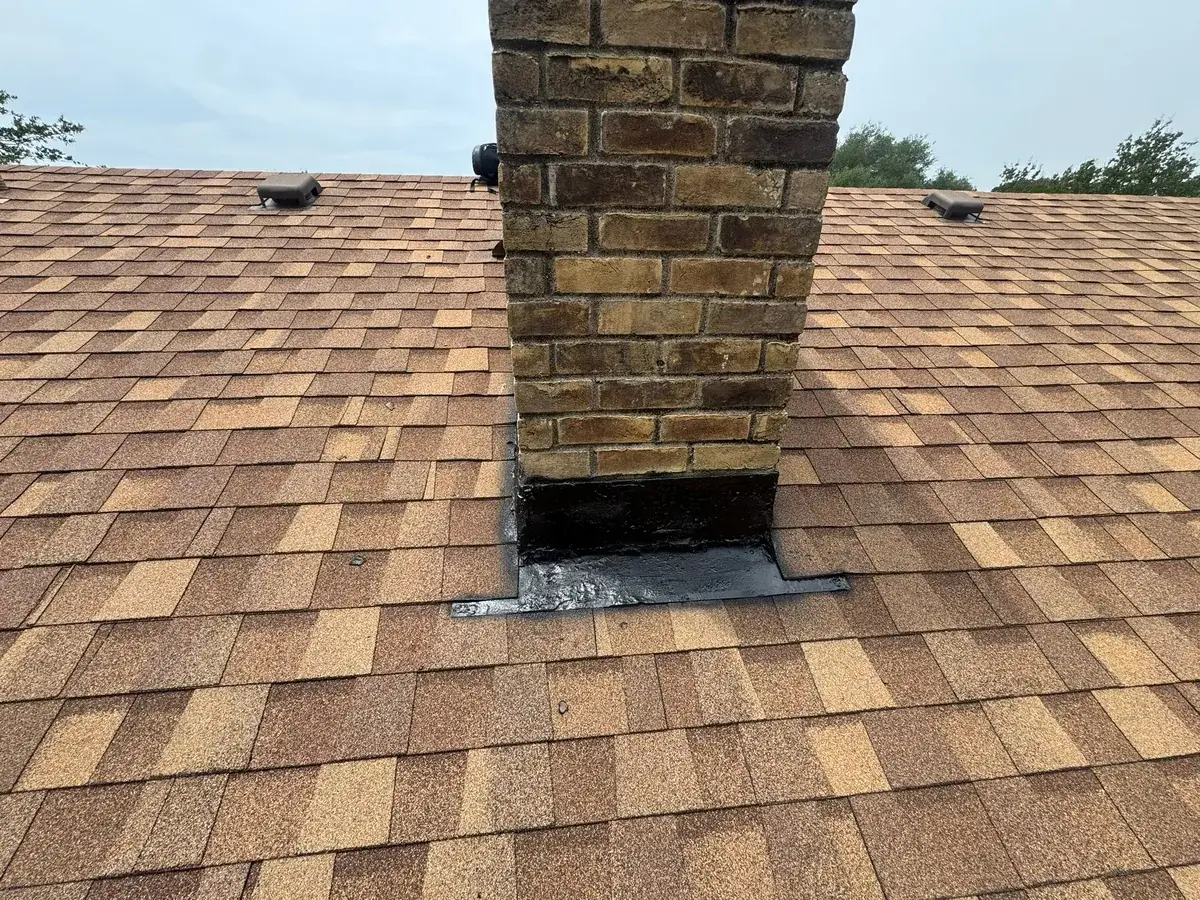
What Greater Charleston chimneys deal with.
Charleston, West Virginia anchors a region of Appalachian wood-burning homes tucked into the Kanawha river valleys. Cordwood is primary heat for many households, producing severe glazed creosote and the state's highest chimney-fire risk — sweeps and relining lead every season.
Dominant work here
Creosote removal + relining — diagnosed under the same NFPA 211 inspection protocol we run nationally, adjusted for Greater Charleston's specific stock.
Neighborhoods we serve
Plus surrounding West Virginia communities. CSIA-certified crews, written quotes, every job photographed start to finish.
Book Greater Charleston serviceTop services across Greater Charleston.
Level 1 Chimney Inspection
The annual baseline check NFPA 211 calls for.
Level 2 Chimney Inspection
Camera-scanned. Required at sale, after fires or changes.
Level 3 Chimney Inspection
The invasive tier — opened only on documented evidence.
Real Estate Transaction Report
Level 2 documentation built around closing deadlines.
Insurance Claim Documentation
Adjuster-ready evidence packets for storm and fire claims.
Code Compliance Review
Clearances, terminations, and liner sizing checked to code.
Get it inspected. Get it in writing.
Flat fee confirmed when you book. Same-week scheduling. A pass/fail verdict within 48 hours.
24/7 Response
Chimney fire, storm hit, active leak, or a flue you're not sure about? We answer 7 AM to midnight and the assessment ends in a written safe-to-use verdict — including a do-not-use notice when the evidence supports one. After-hours dispatch runs subject to crew availability.
Emergency line